Key takeaways
- A heat pump heats and cools with one set of equipment.
- A furnace and AC combination uses gas or electric heat and a separate cooler.
- Dual-fuel systems use a heat pump most of the time and gas on the coldest days.
- Ducts and electrical capacity affect the choice.
How a heat pump works
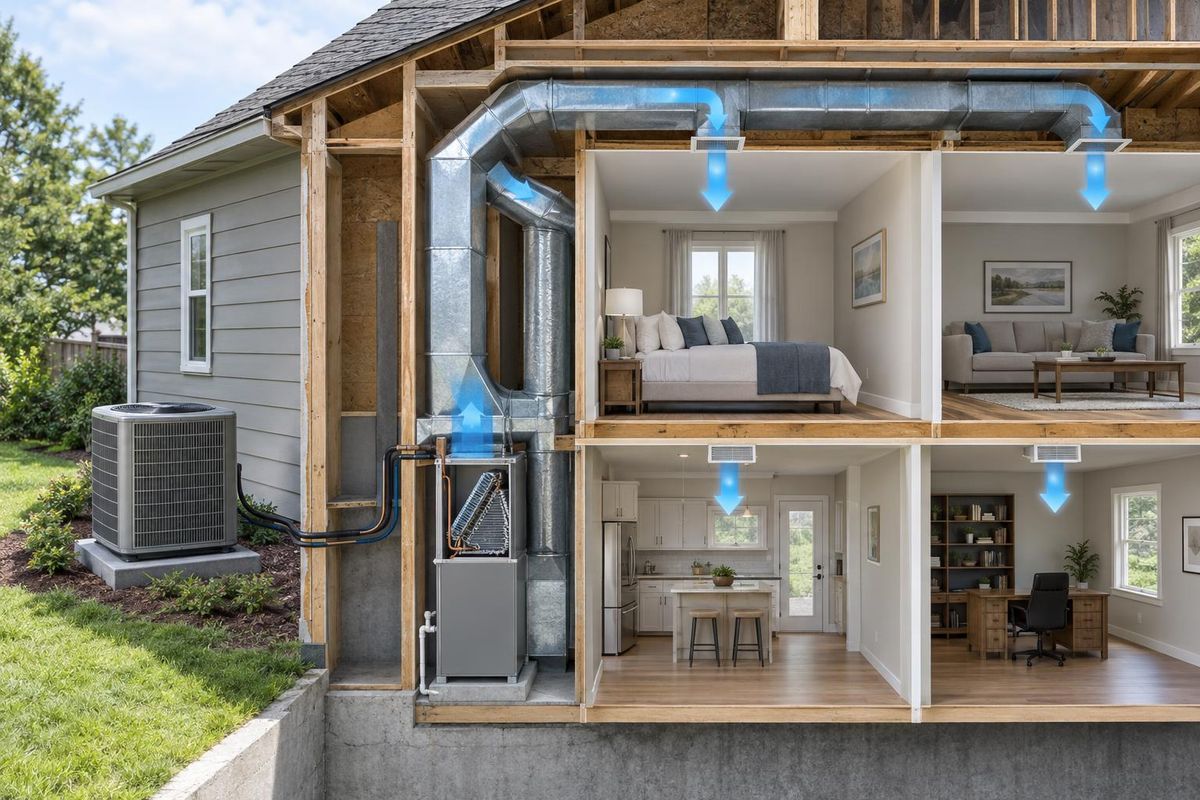
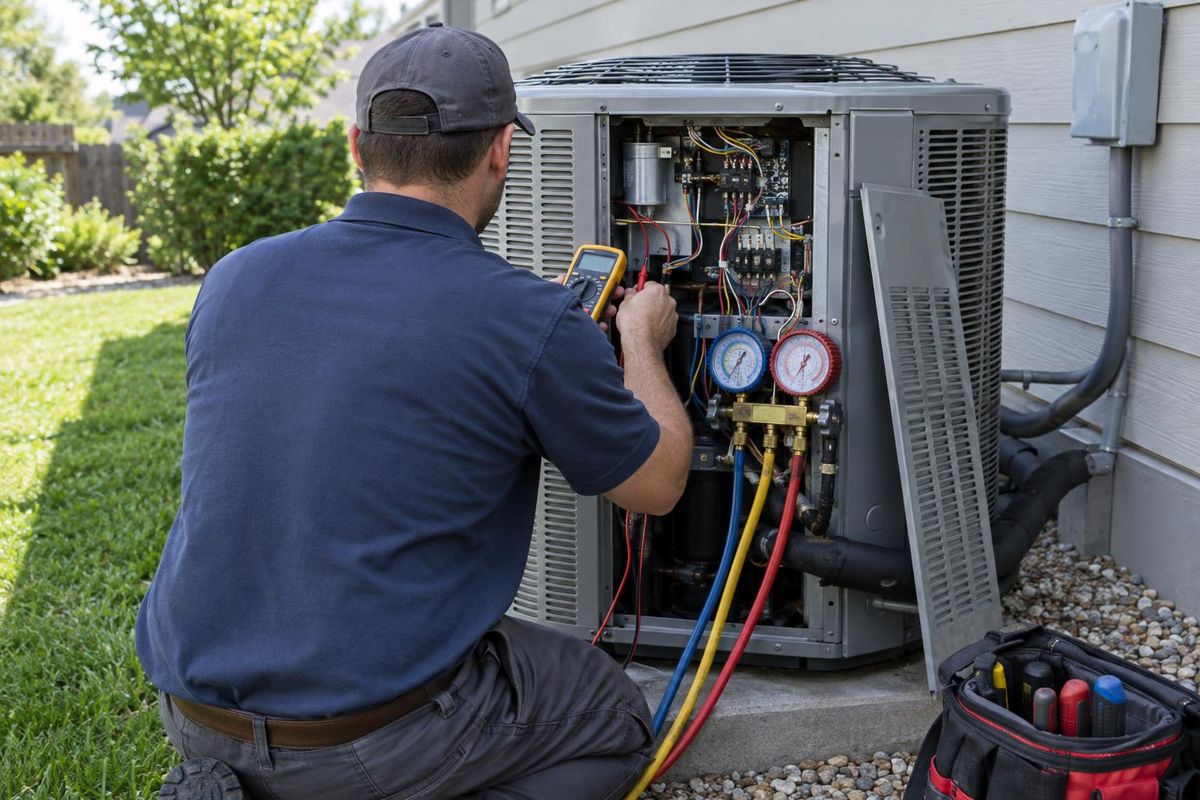
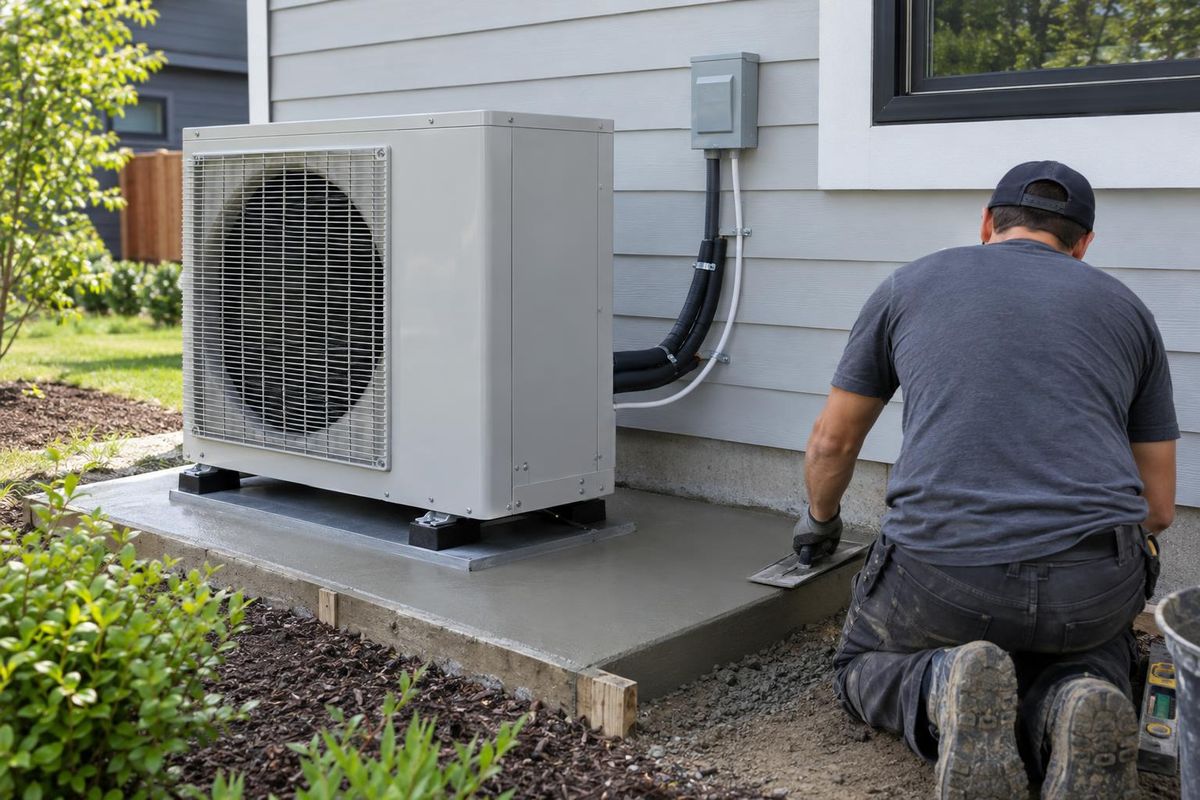
A heat pump moves heat rather than making it. In summer it moves heat out of the house, and in winter it pulls heat from outdoor air and moves it inside.
Modern heat pumps work well in Middle Tennessee winters, with backup heat for the coldest nights.
How a furnace and AC work
A gas or electric furnace creates heat, and a separate air conditioner provides cooling. This combination is familiar and strong on very cold days.
It needs gas service or electric strips and a separate outdoor unit.
Dual fuel
A dual-fuel system pairs a heat pump with a gas furnace. The heat pump runs on mild days and the furnace takes over on the coldest ones, combining efficient heating with strong cold-weather performance.
It suits homes with natural gas service that want flexibility.
How to choose
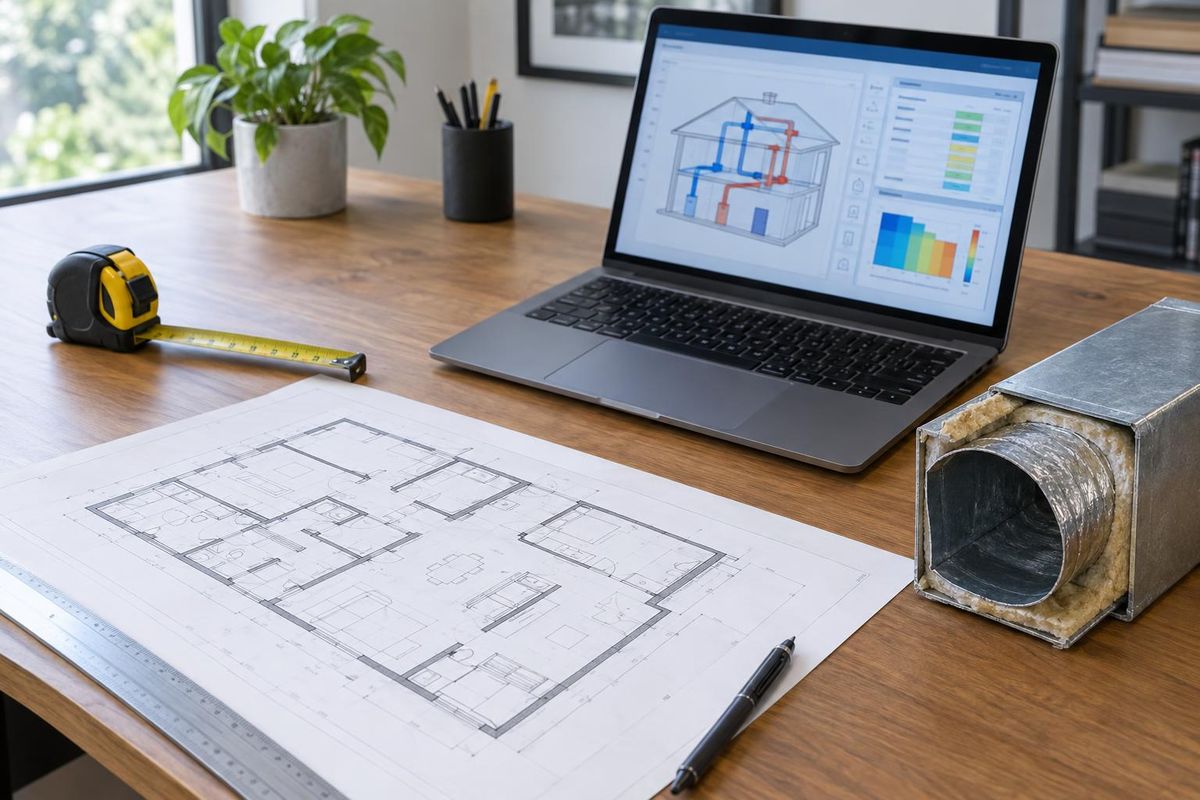
Consider gas availability, the condition of your ducts, your electrical panel and what you want from the system. A short conversation and a visit usually settle it.
Ask for options and their trade-offs rather than a single answer.
Quick answers
Do heat pumps work when it is freezing?
Yes. Modern units keep working in the cold, and backup heat covers the very coldest days.
Is a heat pump more efficient than a furnace?
It depends on the weather, utility rates and equipment. We help you compare the options for your home.