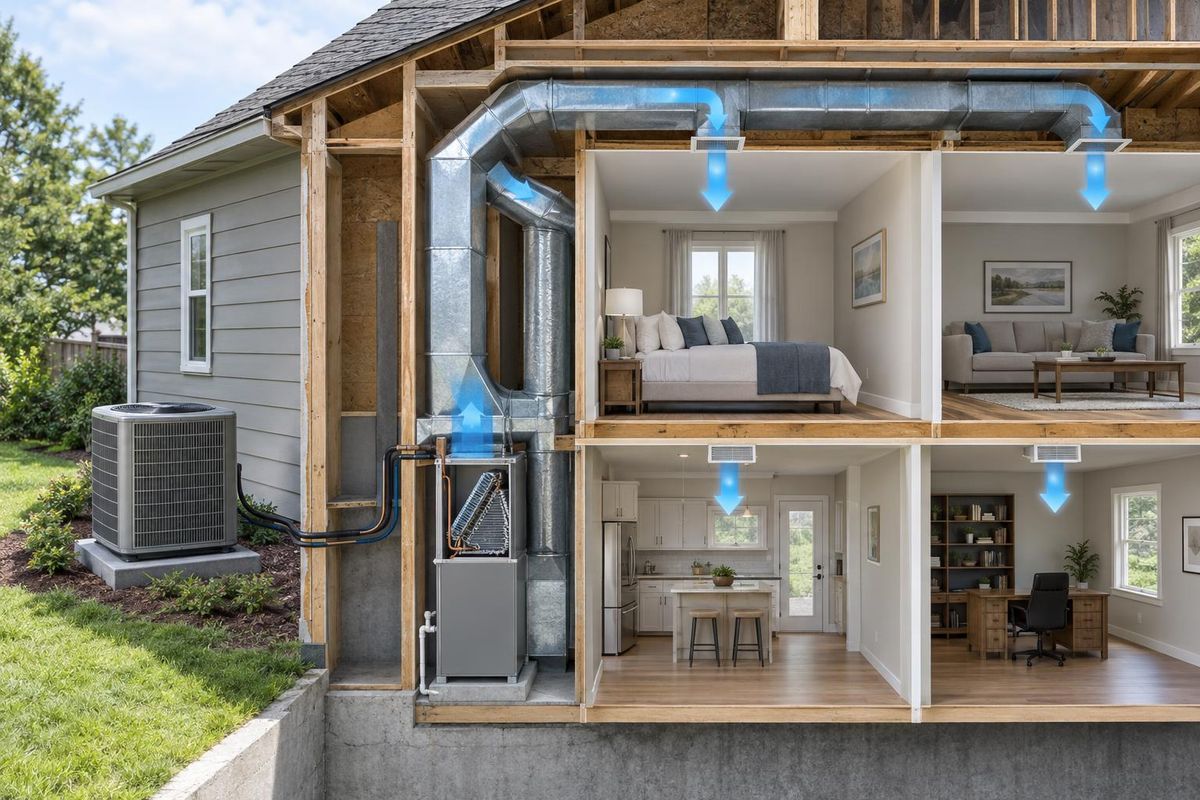
Key takeaways
- Start with a load calculation, not the size of the old unit.
- Choose the system type that fits your house, fuel and ducts.
- Installation quality matters as much as the brand.
- Plan for ducts, controls and air quality at the same time.
Start with the house
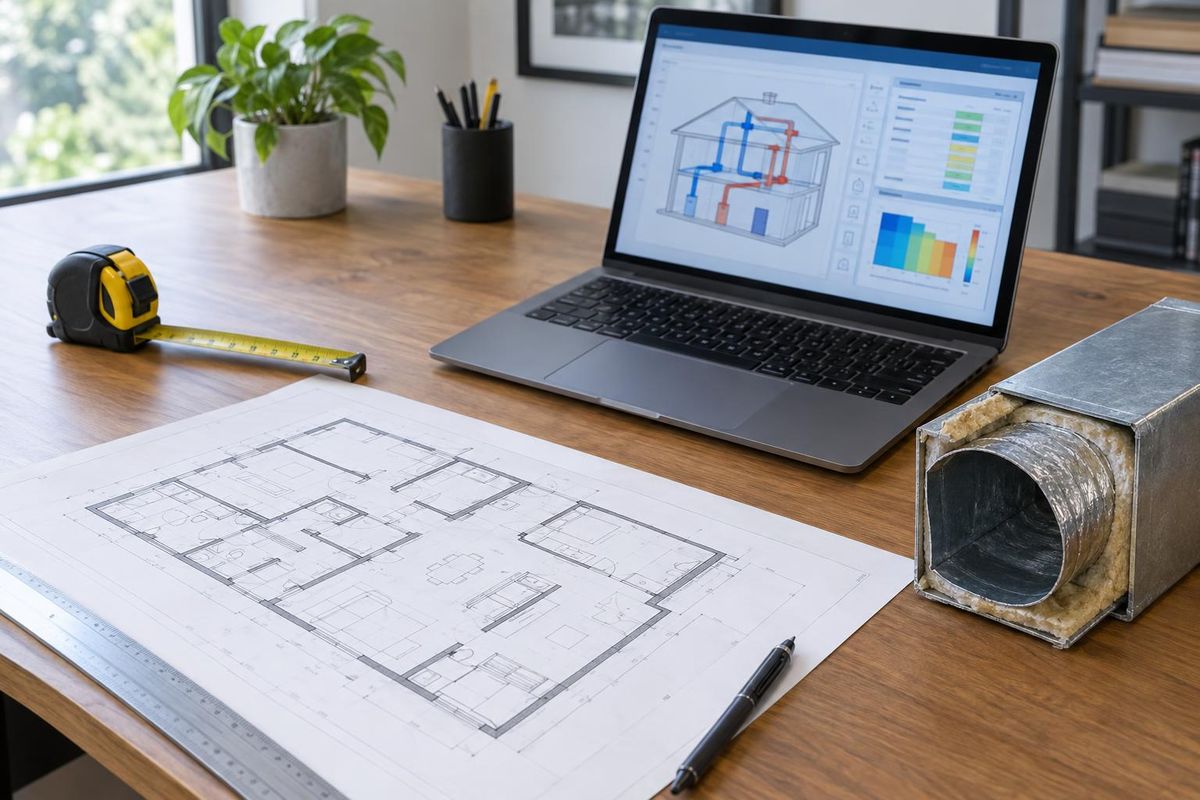
A good choice begins with facts: the size of the home, its insulation, windows, orientation and the condition of the ducts. A load calculation turns those facts into the heating and cooling capacity the house really needs.
Many older systems were oversized. Copying their size repeats the mistake.
Pick the system type
A central air conditioner with a gas furnace, a heat pump, a dual-fuel system and a ductless mini-split each suit different homes. Fuel availability, ducts, climate and your priorities decide which one fits.
Ask for a plain comparison, not just a single option.
Look at features that matter
Staging and variable-speed operation affect comfort, noise and humidity control. Higher efficiency uses less energy but usually needs a higher upfront commitment.
Match the features to how you live and how long you plan to stay.
Choose the installer as carefully as the equipment
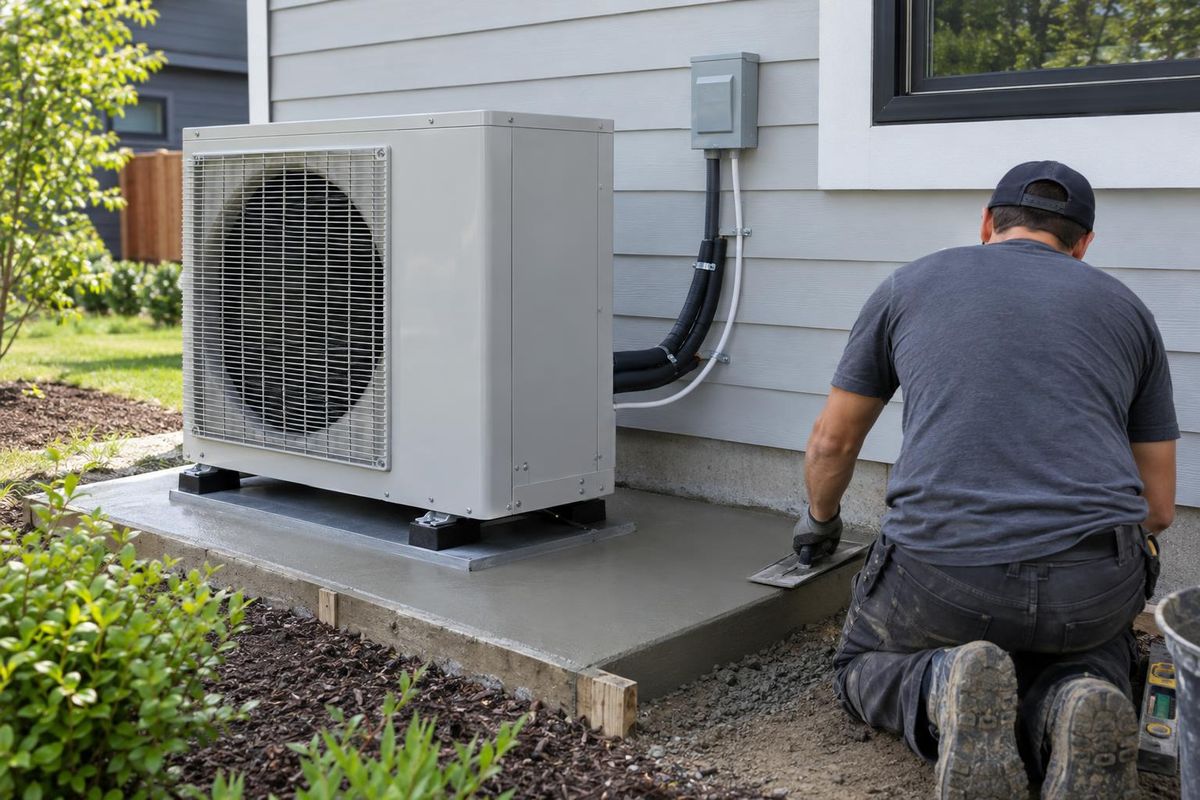
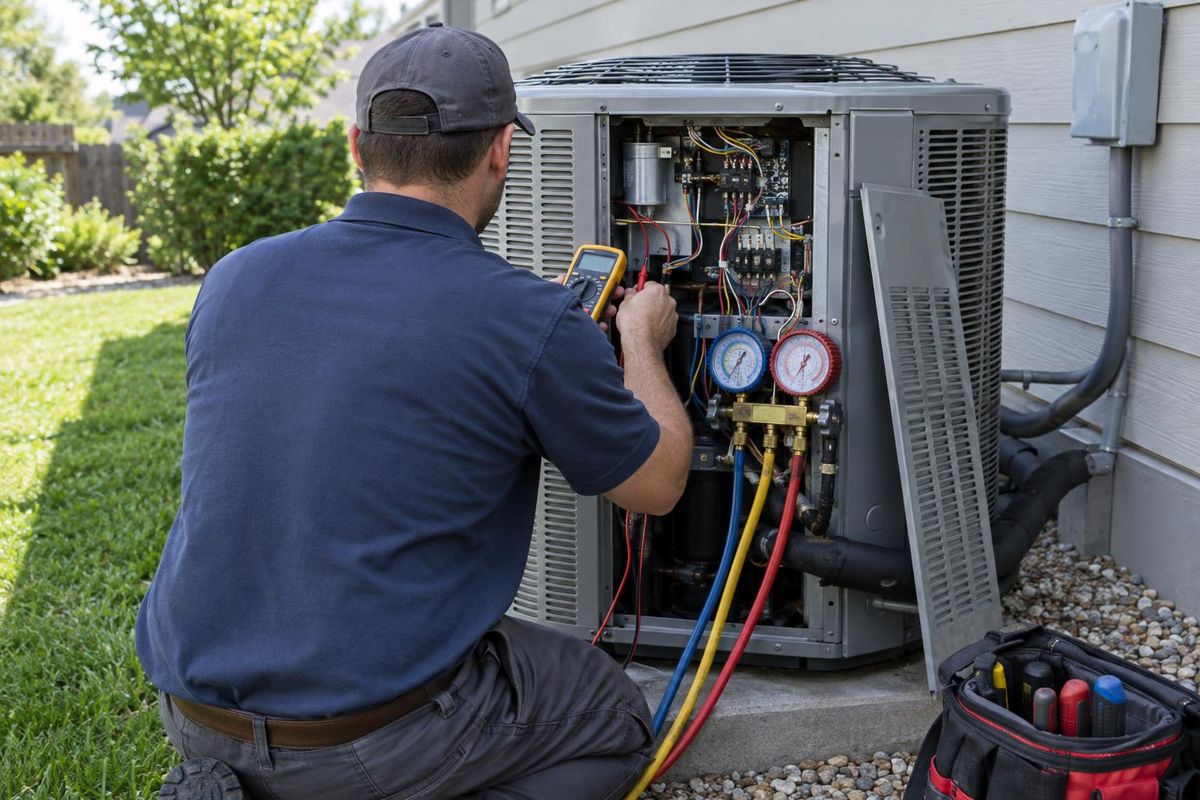
Charge, airflow, duct sealing and controls setup decide real-world performance. Ask how the system will be commissioned and what you will receive in writing.
A good installation of a good system beats a great system installed poorly.
Quick answers
How long does a replacement take?
Many are done in a day. Jobs that need duct or electrical changes take longer.
Should I replace the furnace and AC together?
Often yes, so the equipment is matched, but it depends on the age and condition of each part.